

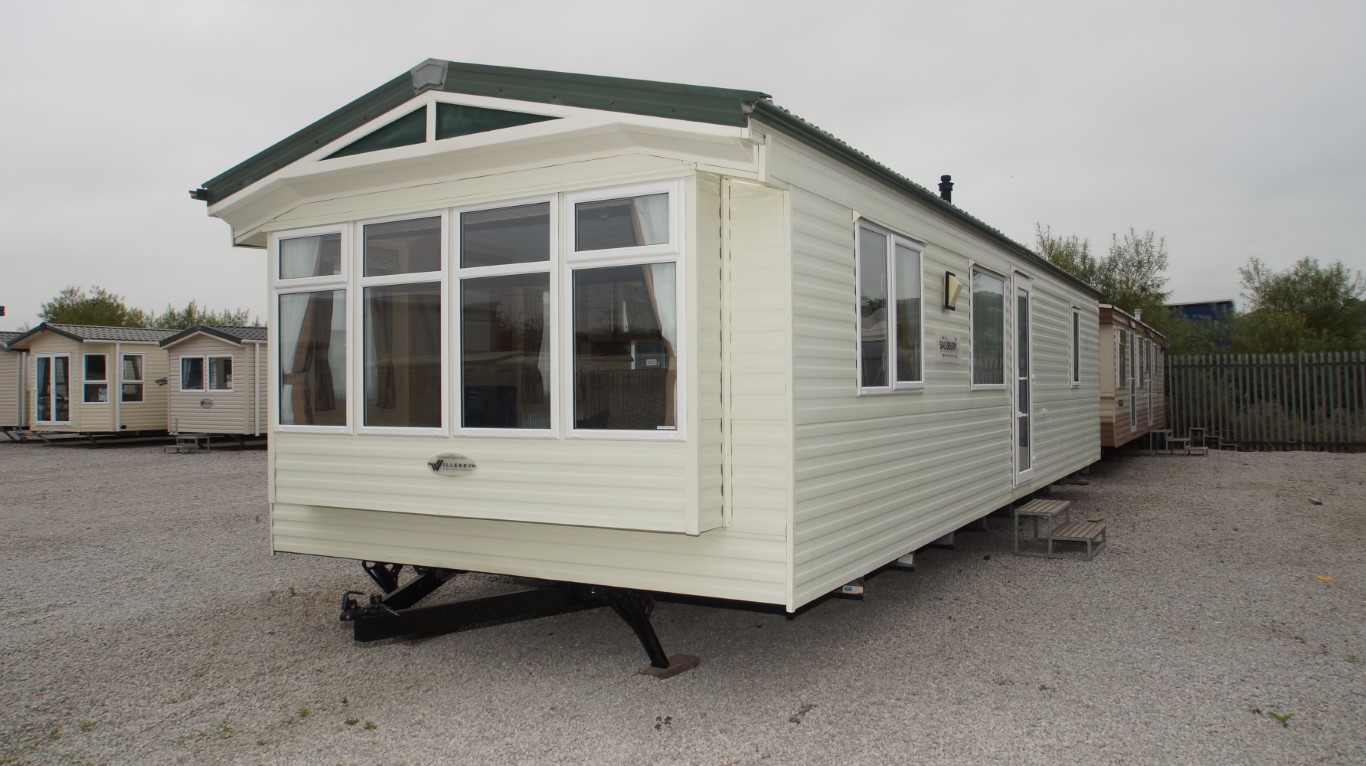
Static caravans can be a great way to enjoy your own holiday accommodation without the cost of buying a traditional second home. Whether you’re thinking about buying a static caravan for family holidays, occasional getaways or as a holiday let, there are a number of costs to consider. But do you have to pay Council Tax on a static caravan? Well, the answer can depend on how the caravan is used and whether it is your main residence, a holiday home or being operated as a holiday let.
So, do you pay Council Tax on a static caravan?
If a static caravan is being used as someone’s sole or main residence, it can be subject to Council Tax. However, static caravans on seasonal or holiday parks are generally not subject to Council Tax in the same way, provided they are not being used as someone’s main home.
There are a few different situations to consider:
If the static caravan is your main residence: If you live in your static caravan as your sole or main home, it will generally be treated as a domestic property for Council Tax purposes. In this situation, the caravan and its pitch can be assessed for Council Tax, with the person living in the caravan normally responsible for paying the bill. This means that if you’re considering using a static caravan as a permanent home, it’s important to understand the Council Tax implications before making any decisions.
If the caravan is on a holiday park: If your static caravan is situated on a seasonal or holiday park and is used as holiday accommodation rather than your main residence, you generally won’t receive a separate Council Tax bill for the caravan. Instead, the caravan site itself is generally subject to non-domestic rates, which are dealt with by the site owner. Some of these costs may be included within the pitch fees paid by individual caravan owners. It’s always worth checking the terms of your particular holiday park, as pitch fees and other charges can vary.
If you use your static caravan as a second home: If a static caravan is treated as a domestic property and is used as a second home, different Council Tax rules can apply. The government states that second homes are generally subject to Council Tax, although local councils have some discretion over discounts and premiums. However, occupied caravan pitches are subject to specific rules and are excluded from the second-home premium. For this reason, it’s a good idea to speak to your local council if you’re unsure how your particular static caravan will be treated.
What if you rent out your static caravan?
If you purchase a static caravan with the intention of renting it out as holiday accommodation, you may need to consider business rates rather than Council Tax.
In England, a self-catering property can be eligible for business rates if it meets certain requirements. For example, it must have been available to let commercially for at least 140 nights during the previous 12 months and actually let for at least 70 nights, with an intention to make it available for at least 140 nights in the following 12 months.
If these requirements aren’t met, the property may instead be liable for Council Tax.
What other costs should you consider?
Council Tax or business rates aren’t the only costs you may need to think about when purchasing a static caravan. Depending on where your caravan is located, you may also have pitch fees, utility costs, insurance and maintenance expenses to consider.
If you’re buying a static caravan on a holiday park, it’s a good idea to ask the park owner for a breakdown of any regular charges before making a purchase. This can help you understand the overall cost of owning and running your caravan.
If you’re looking to purchase a static caravan in great condition and at an affordable price, why not take a look at what we can offer here at West Lancs Caravans?