

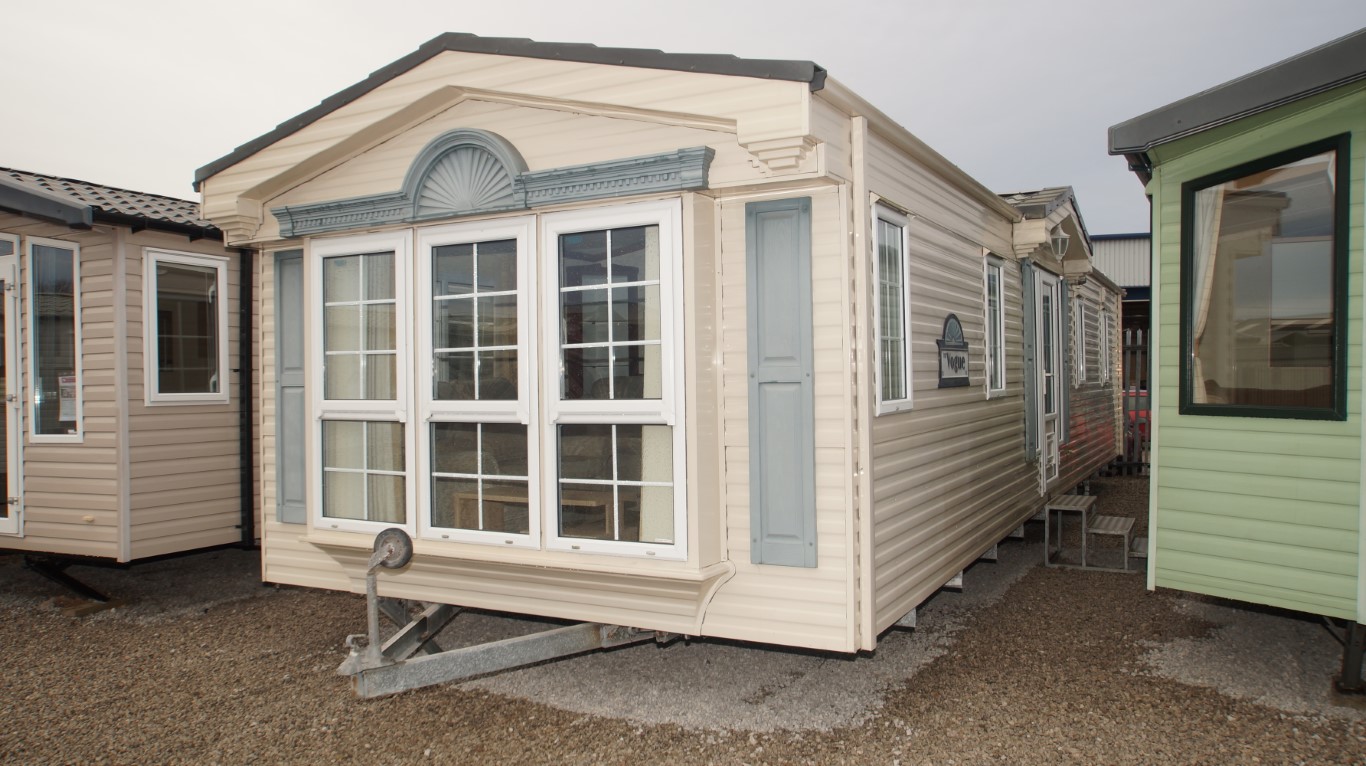
For static caravans, the winter weather can be a challenge. Cold temperatures, excess moisture, high winds and reduced use all increase the risk of damage if you are not properly prepared. By carrying out the right winter maintenance, you can protect your investment, reduce repair costs, and ensure your caravan is comfortable and safe when you return. So, is your static caravan ready for winter? And if not, what can you do to help protect your static caravan this winter? Well, the key is to act early, work methodically, and understand where the main risks lie.
Why does winter maintenance matter?
During winter, static caravans are exposed to conditions they are not designed to handle without preparation. Freezing temperatures can burst pipes, damp can lead to mould and rot, and storms can damage roofs, gutters and external fittings. As a result, if your caravan is left unattended for long periods, small issues can quickly become expensive problems. Winter maintenance is about prevention rather than repair, giving you peace of mind throughout the colder months.
Protecting the water system
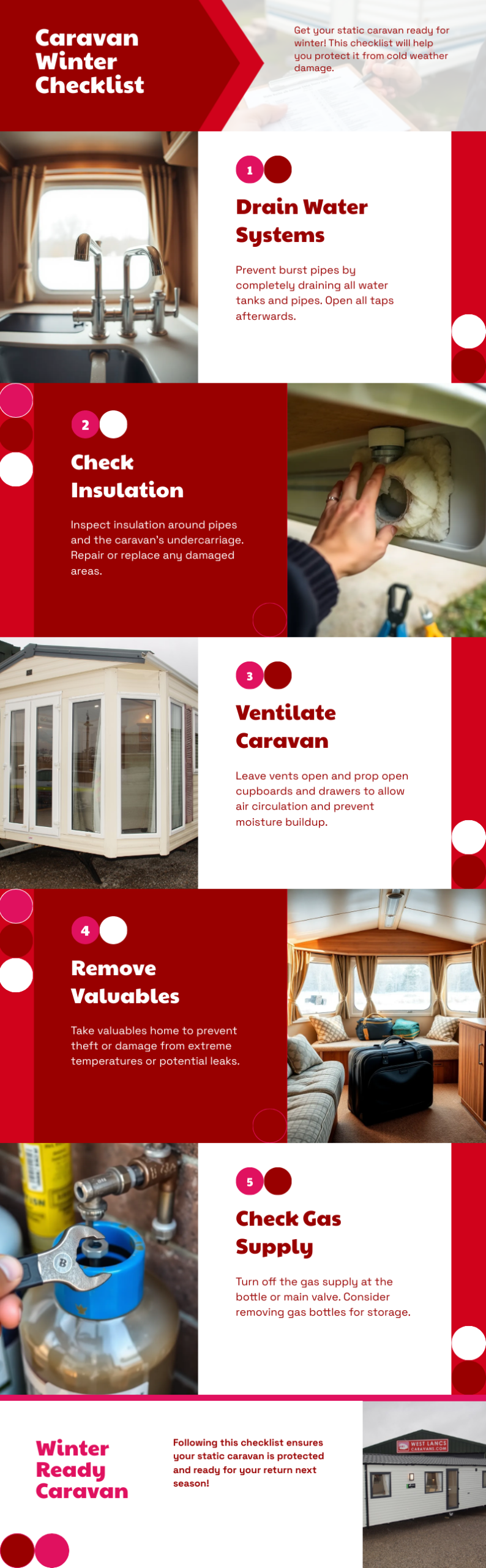
One of the most important tasks you can carry out is protecting the plumbing. Frozen pipes are a common and costly issue in winter. You should drain down the water system completely if the caravan will not be in use. This includes the boiler, toilet cistern, taps and shower. Leaving taps open after draining helps prevent trapped water from freezing.
If you plan to use the caravan occasionally, consider installing pipe insulation and trace heating where appropriate. You should also check that stop taps are working correctly and that there are no existing leaks, as even minor drips can cause damage when temperatures drop below zero.
Heating and ventilation balance
Heating plays a key role in winter maintenance, but it must be balanced with proper ventilation. If your caravan has a frost protection setting, make sure it is activated. Low-level background heating can help prevent condensation and freezing without excessive energy use.
At the same time, you should never block ventilation points. Good airflow is essential to prevent damp and mould, especially in winter when windows remain closed for long periods. Roof vents, air bricks and extractor vents should be checked and kept clear of debris.
Managing damp and condensation
Damp is one of the biggest long-term threats to static caravans. Cold air meeting warm surfaces creates condensation, which can settle into walls, soft furnishings and flooring. Over time, this leads to mould, unpleasant odours and material deterioration.
You can reduce this risk by using moisture traps or dehumidifiers designed for unoccupied spaces. Soft furnishings, bedding and cushions should be stood upright or removed entirely to improve airflow. Wardrobe doors and cupboards should be left slightly open to prevent stagnant air.
Exterior checks and weatherproofing
Before winter fully sets in, you should inspect the exterior of your caravan thoroughly. Check the roof for loose seals, cracked joints or damaged panels. Even small gaps can allow water ingress during heavy rain or snow.
Gutters and downpipes should be cleared of leaves and debris to prevent blockages and overflow. You should also examine the skirting to ensure it is secure and undamaged, as this helps protect pipework from cold winds and pests.
Windows and doors should be checked for draughts and worn seals. Replacing seals or adding draught excluders improves insulation and reduces heat loss throughout winter.
Electrical safety and appliances
Winter is a good time to assess the condition of electrical systems. You should turn off and unplug non-essential appliances if the caravan is not in use. This reduces fire risk and protects equipment from power surges.
Appliances such as fridges should be emptied, cleaned and left slightly open to prevent mould growth. If your caravan is connected to mains electricity, you should ensure that any external cables are weatherproof and securely positioned to avoid damage from frost or movement.
Insurance and regular inspections
Winter maintenance is not a one-off task. You should visit the caravan periodically if possible, especially after severe weather. This allows you to identify issues such as storm damage, leaks or power problems before they worsen.
You should also review your insurance policy to ensure you comply with winter conditions, such as minimum heating requirements or regular inspections. Failure to meet these conditions can invalidate cover, even if damage was unavoidable.
Preparing for a smooth spring return
Good winter maintenance makes reopening your static caravan in spring far easier. Systems will be intact, interiors fresh, and repairs minimal. Rather than facing unexpected costs or delays, you can focus on enjoying your time at the caravan as soon as the weather improves.
By taking a proactive and thorough approach to winter maintenance, you can protect both the structure and comfort of your static caravan. With the right preparation, winter can become a season of preservation rather than risk, ensuring your caravan remains a reliable and enjoyable retreat year after year.
If you’re looking to purchase a static caravan in great condition and at an affordable price, why not take a look at what we can offer here at West Lancs Caravans?