

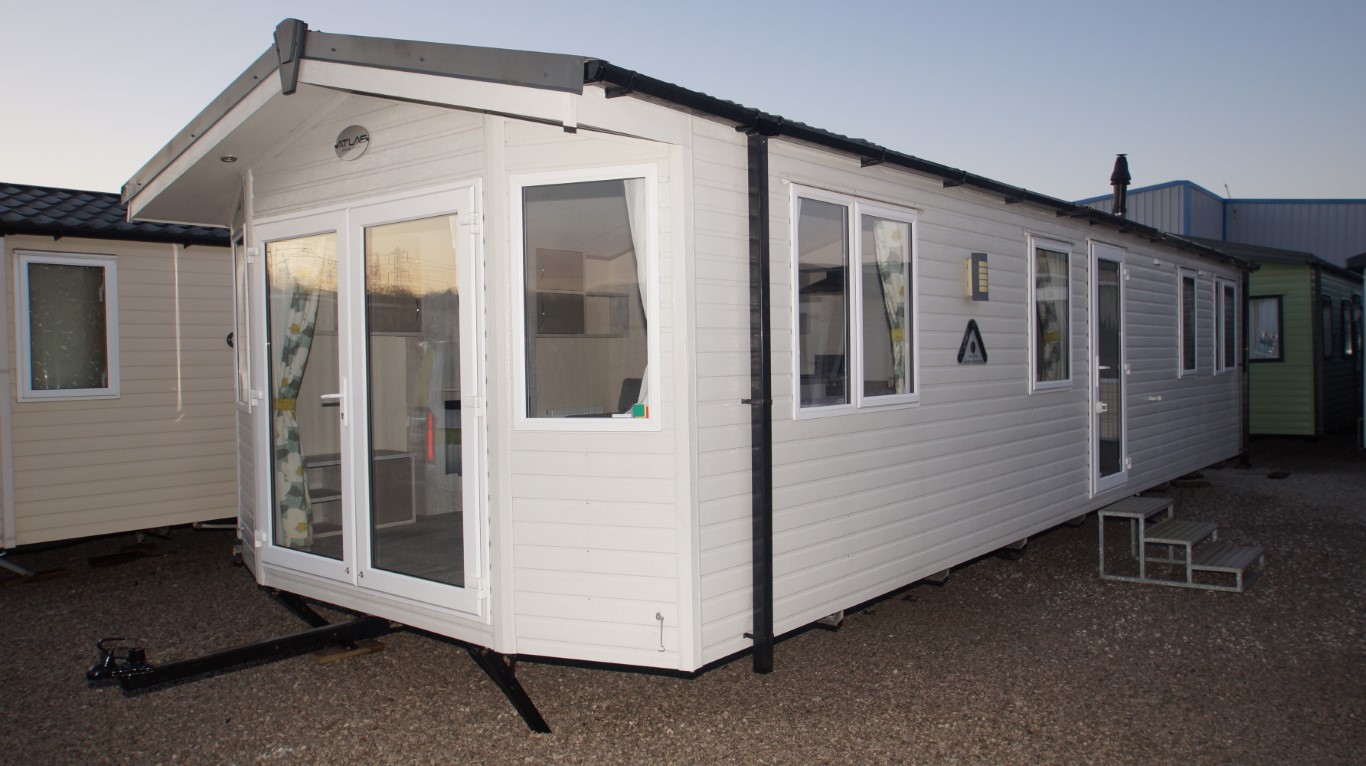
The new year is a popular time to consider buying a second-hand static caravan. Prices can be more competitive, availability often improves, and you have time to prepare for the season ahead. However, purchasing a used static caravan requires careful thought. Unlike buying new, you are inheriting wear, age and past maintenance decisions. So what are the considerations when buying a second hand static caravan this New Year? And how can you make the right choice for your requirements?
Understanding your intended use
Before you view any caravans, you should be clear about how you plan to use it. Occasional holiday use, extended stays or letting to family and friends all place different demands on a caravan. As a result, your intended usage should guide decisions on age, specification and overall condition.
Assessing age, condition and build quality
The age of a second-hand static caravan is one of the most important considerations, but it should never be judged on age alone. A well-maintained older caravan can outperform a neglected newer one. You should ask for the manufacturing year, model details and service history if available.
When inspecting the caravan, pay close attention to signs of damp, particularly around windows, doors, ceilings and corners. Soft flooring, bubbling wall panels or musty smells can indicate water ingress, which is expensive to repair. Externally, check the roof, seals and cladding for damage or deterioration.
Build quality varies significantly between manufacturers and eras. You should research the reputation of the make and model to understand common issues and expected lifespan.
Layout, features and comfort
Second-hand caravans come with a wide range of layouts and specifications. You should assess whether the layout suits your needs both now and in the future. Storage space, seating comfort, bedroom size and bathroom condition all affect long-term satisfaction.
Heating systems are particularly important when buying in the new year. You should check whether the caravan has modern, efficient heating and double glazing, especially if you plan to use it outside peak summer months. Older systems may still function but could be costly to run or difficult to repair.
Running costs and ongoing responsibilities
The purchase price is only part of the overall cost. You should factor in site fees, insurance, utilities, maintenance and potential upgrades. Older caravans may require more frequent repairs or replacements, such as boilers, appliances or soft furnishings.
You should also consider resale value. While static caravans depreciate, those from reputable manufacturers, well maintained and purchased at a realistic price tend to retain value better than alternatives.
Legal documentation and compliance
You should always ensure that the caravan has clear ownership documentation. This includes proof of ownership, confirmation that there is no outstanding finance, and written permission from the site operator if the caravan is remaining on its current pitch.
Gas and electrical safety are also critical. You should ask for evidence of recent safety checks or budget for inspections immediately after purchase. Lack of documentation should be treated as a warning sign rather than an inconvenience.
Buying from a reputable dealer versus a private sale
One of the most significant decisions you will make is whether to buy from a reputable dealer or a private seller. While private sales can appear cheaper, they often carry higher risk. You typically buy the caravan “as seen”, with no warranty, limited consumer protection and no obligation for the seller to disclose issues.
In contrast, purchasing from a reputable dealer offers greater security. Dealers usually carry out inspections, address known faults and ensure the caravan meets safety standards before sale. Many also provide warranties, aftersales support and assistance with siting, transport and paperwork.
A reputable dealer will be transparent about age, condition and history, and will allow you time to inspect the caravan properly. While the initial cost may be higher than a private sale, the added protection and reduced risk often represent better long-term value.
Timing your purchase in the new year
Buying in the new year can work to your advantage. Dealers may have fresh stock, and you have time to arrange inspections, upgrades and transport before the main season begins. You are also less likely to feel pressured by peak-season demand, allowing for more considered decision-making.
It’s important to compare options, ask detailed questions and avoid rushing into a purchase simply because it appears to be good value.
If you’re looking to purchase a static caravan in great condition and at an affordable price, why not take a look at what we can offer here at West Lancs Caravans?