

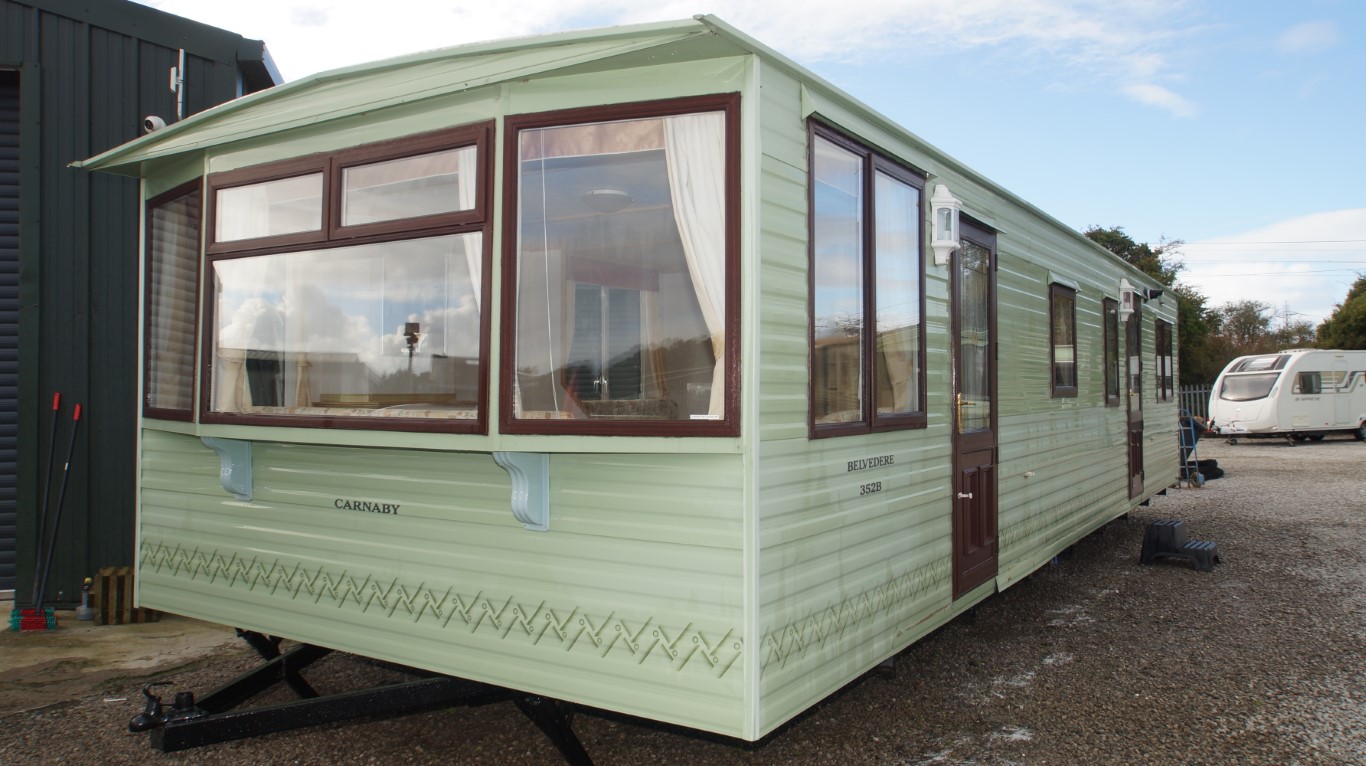
As the weather starts to turn colder and the days become shorter, you may find yourself spending less time enjoying your static caravan. Autumn is the perfect opportunity to give your holiday home some attention and prepare it for the winter months ahead. But which maintenance tasks should you prioritise, and how can you help keep your static caravan in great condition while it’s not being used as often?
What Maintenance Does Your Static Caravan Need in Autumn?
Taking a little time to look after your static caravan during autumn can help prevent avoidable damage and make it easier to get everything ready for winter. Whether you plan to keep visiting throughout the colder months or won’t return until spring, there are several important tasks worth adding to your autumn maintenance checklist.
These include:
- Clearing leaves and debris from the roof
- Giving the interior a thorough clean
- Emptying cupboards and the fridge
- Checking for signs of damp and moisture
- Preparing the caravan for winter
Keeping Your Static Caravan Roof Clean
Falling leaves are one of the familiar signs of autumn, but they can also create problems for static caravan owners. If your caravan is positioned beneath trees or surrounded by woodland, leaves, twigs and other debris can quickly collect on the roof.
Although this might not seem like a major concern at first, allowing debris to accumulate can lead to several issues if it’s left unattended.
Staining and damage to the roof’s finish
As fallen leaves become wet and start to break down, they can leave behind discolouration and stubborn stains. This can be particularly noticeable on lighter-coloured roofs, affecting the overall appearance of your caravan. Regularly checking for and removing debris can help keep the exterior looking its best.
Blocked drainage and standing water
Wet leaves can collect around drainage points and prevent rainwater from draining away properly. When water is unable to run off as it should, it may begin to pool on the roof. Prolonged standing water can increase the risk of deterioration and may contribute to leaks or other damage.
Leaks and winter weather damage
Leaving leaves and debris on the roof throughout autumn can increase the risk of problems developing as temperatures drop. Blocked drainage, existing weaknesses and persistent moisture can all contribute to damage, while freezing conditions may make existing issues worse.
It’s therefore worth inspecting your caravan’s roof before winter arrives and arranging for any debris to be removed safely. Avoid climbing onto the roof yourself unless you have the appropriate equipment and expertise. If you’re unsure how to carry out the work, seek professional assistance.
For further advice on getting your holiday home ready for colder weather, take a look at our guide to preparing your static caravan for winter.
Giving the Inside of Your Static Caravan a Thorough Clean
If you expect your visits to become less frequent until spring, autumn is an ideal time to give the interior of your static caravan a proper clean. A little preparation now can help keep the space fresh and welcoming for your next visit, while reducing the likelihood of unpleasant smells, unwanted pests and moisture-related problems.
Here are a few useful tasks to consider before closing up your caravan for an extended period.
Remove unnecessary belongings
Take home any clothing, personal belongings and other items you won’t need over the winter. Clearing away clutter makes cleaning easier and gives you a chance to check cupboards, storage areas and corners where dust or moisture might otherwise go unnoticed.
It’s also a good opportunity to organise your belongings and make sure anything you’re leaving behind is stored appropriately.
Empty the fridge and kitchen cupboards
Food left in your caravan can attract pests, develop unpleasant smells or spoil while you’re away. Before the end of the season, remove perishable items from the fridge and cupboards, clean the shelves and make sure the fridge is prepared according to the manufacturer’s instructions.
Check food packaging carefully and avoid leaving open packets or crumbs behind. Keeping kitchen areas clean and free from food waste can help discourage unwanted visitors while your caravan is empty.
Clean surfaces and soft furnishings
Wipe down worktops, tables, cupboards and other surfaces, and vacuum carpets and upholstery to remove dust, crumbs and debris. Make sure damp areas are dried thoroughly, paying particular attention to the kitchen and bathroom.
It can also help to wash or air bedding, towels and other soft furnishings before storing them away. This will leave your caravan feeling fresher when you return.
Check for Damp, Condensation and Mould
Moisture is another important consideration when preparing your static caravan for autumn and winter. As temperatures fall, condensation can become more noticeable, particularly in spaces that remain closed up for long periods.
Before leaving your caravan for an extended break, check around windows, doors, ceilings and cupboards for signs of damp, water ingress or mould. If you notice any problems, try to identify and address the underlying cause rather than simply cleaning away the visible signs.
Good ventilation can help reduce moisture build-up, so make sure your caravan’s ventilation points remain clear and are used in accordance with the manufacturer’s guidance. You should also avoid leaving wet clothing or damp towels inside.
For additional information about moisture and ventilation, the UK Government provides guidance on ventilation and reducing condensation in homes.
Preparing Your Static Caravan for the Winter Months
Once you’ve cleaned the roof and interior, there are a few other jobs worth completing before your caravan is left unused for the winter.
If you won’t be visiting regularly, it’s particularly important to consider the plumbing system. Water left in pipes and fittings can freeze during cold weather, potentially causing damage. Follow the manufacturer’s guidance and your caravan’s winterisation instructions, or arrange for a suitably qualified professional to help if you’re unsure what to do.
You should also check the condition of external seals, windows and doors, look for any signs of damage and make sure the caravan is securely locked before leaving.
For a more detailed walkthrough, read our guide on how to drain down a static caravan. Taking the right precautions before temperatures drop can help reduce the risk of frost damage and unwanted repair costs.
Looking for a Static Caravan?
Keeping your static caravan clean and well maintained can help you enjoy it for longer and make returning after the winter break much more enjoyable. By tackling a few simple maintenance tasks in autumn, you can help protect your holiday home and prepare it for the colder months ahead.
If you’re thinking about buying a static caravan, West Lancs Caravans offers a range of affordable used models to suit different needs and budgets. Why not browse our available static caravans to see what’s on offer?
If you have any questions or would like some friendly advice, please feel free to get in touch with our team. We’ll be happy to help.