

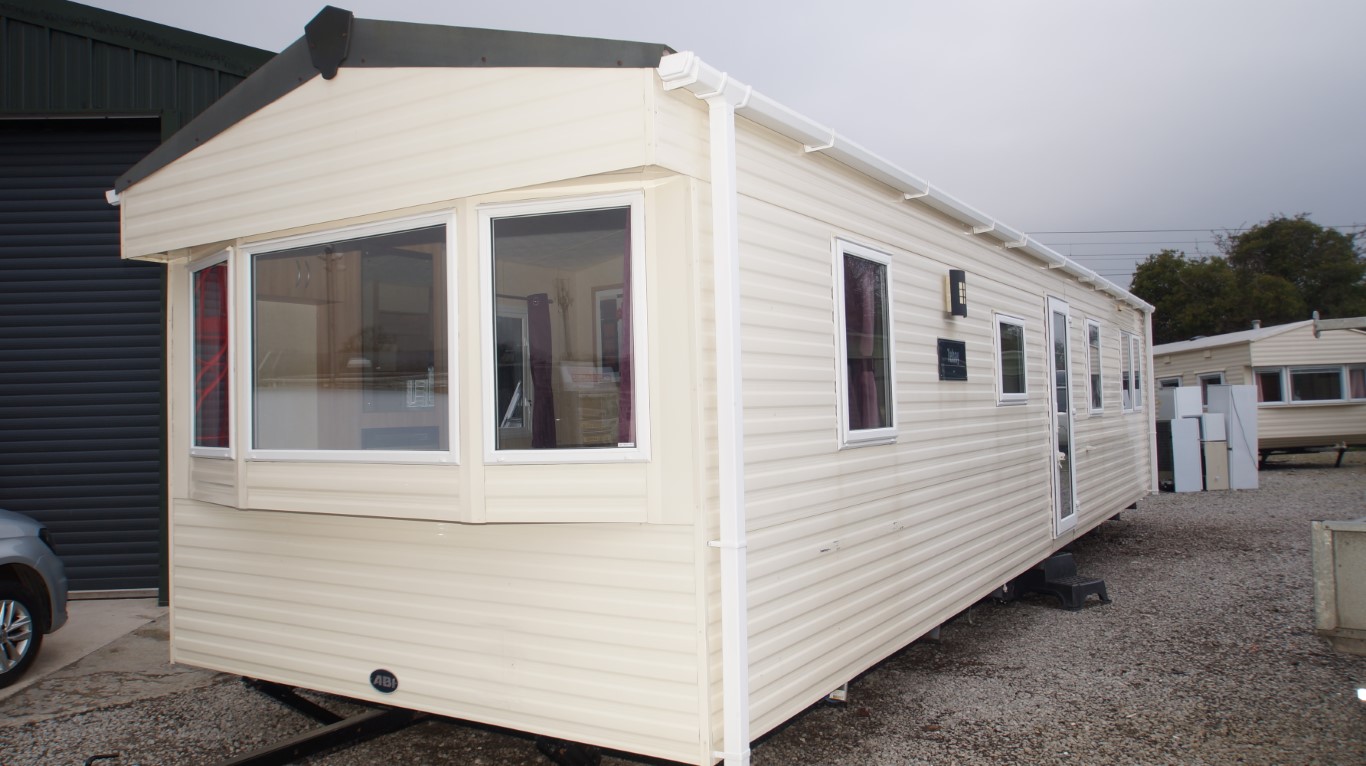
If you are considering a change of lifestyle, downsizing, or finding a more affordable way to live, you may be asking a simple but important question: can you live in a static caravan? The answer is not always a straightforward yes or no. It depends on a number of factors, including where the caravan is sited, the type of licence attached to the land, and what you want from your home and lifestyle.
Understanding what “living” means in legal terms
When people ask whether you can live in a static caravan, they often mean whether you can use it as your main and permanent home. In the UK, this usually depends on the planning permission attached to the land where the caravan is located.
Many static caravans are sited on holiday parks. These parks typically have a holiday licence, not a residential one. This means you can stay for extended periods during the open season, but you cannot use the caravan as your sole or permanent residence. There may also be a closed season during which you must vacate the park for several weeks.
If you want to live in a static caravan all year round, you will usually need to choose a park or site with a full residential licence. These are often known as residential park home sites. On these sites, you can register to vote, receive post, and treat the caravan as your main address.
The key point is that the caravan itself is not the legal issue. It is the planning permission and site licence that determine whether you can live there permanently.
Considering comfort and practicality
If you are thinking about full-time living, comfort becomes essential. Modern static caravans are designed to a high standard, and many models offer features comparable to a traditional bungalow. You can expect central heating, double glazing, full kitchens and well-appointed bathrooms.
However, you should consider insulation and build specification carefully. If you plan to live in your caravan through the winter, you will want a model with better insulation, stronger construction and year-round suitability.
Space is another important factor. You may be downsizing, so you will need to assess whether the layout works for your day-to-day life. Think about storage, space for guests, and whether you have room to work from home if needed.
Understanding costs and financial planning
Living in a static caravan can be more affordable than buying a traditional house, but you should look beyond the purchase price. You will usually pay pitch fees to the park owner, which cover the use of the land and sometimes services such as grounds maintenance and security.
On residential sites, you may also pay council tax, typically in Band A. Utilities such as gas, electricity and water are often metered and billed separately. It is important to request a clear breakdown of all ongoing costs before you commit.
If you are selling a house to move into a static caravan, you may free up capital. This can provide financial security or support your retirement plans. However, you should be aware that static caravans generally depreciate over time, unlike many bricks-and-mortar properties. You are investing in lifestyle rather than long-term property growth.
Thinking about lifestyle and community
Living in a static caravan often means joining a close-knit community. Many residential parks are quiet, well-maintained environments with a strong sense of neighbourliness. This can be particularly appealing if you value security and a slower pace of life.
You should also consider the park’s rules. Residential sites often have age restrictions, pet policies and guidelines about external alterations. These rules are designed to maintain standards, but they may not suit everyone. Make sure you are comfortable with them before you commit.
Location is equally important. A caravan park in a coastal or rural setting may offer beautiful surroundings and a peaceful atmosphere. However, you will need to consider access to shops, healthcare, public transport and social activities.
Planning permission on private land
You may also wonder whether you can place a static caravan on private land and live in it there. In most cases, you will require planning permission from your local authority if you intend to use it as a permanent dwelling.
Even if you own the land, living in a caravan without the appropriate consent can lead to enforcement action. It is essential to seek professional advice and speak to your local council before proceeding. Temporary permissions are sometimes granted in specific circumstances, such as during self-build projects, but these are not guaranteed.
Is it right for you?
Living in a static caravan can offer freedom, simplicity and lower running costs. It can allow you to release equity, reduce maintenance responsibilities and enjoy a more manageable home. For many people, particularly those in retirement or seeking a lifestyle change, it provides an attractive alternative to traditional housing.
At the same time, you need to be realistic about space, long-term value and legal restrictions. You should take time to visit different parks, speak to residents, and read the site agreement carefully. Ask questions about winter conditions, maintenance responsibilities and resale procedures.
So can you live in a static caravan?
Ultimately, you can live in a static caravan if you choose the right site and understand the legal framework. The more informed you are, the more confident your decision will feel. By focusing on your needs, your budget and your preferred way of living, you can determine whether this type of home offers the comfort and security you are looking for.
If you’re looking to purchase a static caravan in great condition and at an affordable price, why not take a look at what we can offer here at West Lancs Caravans?