

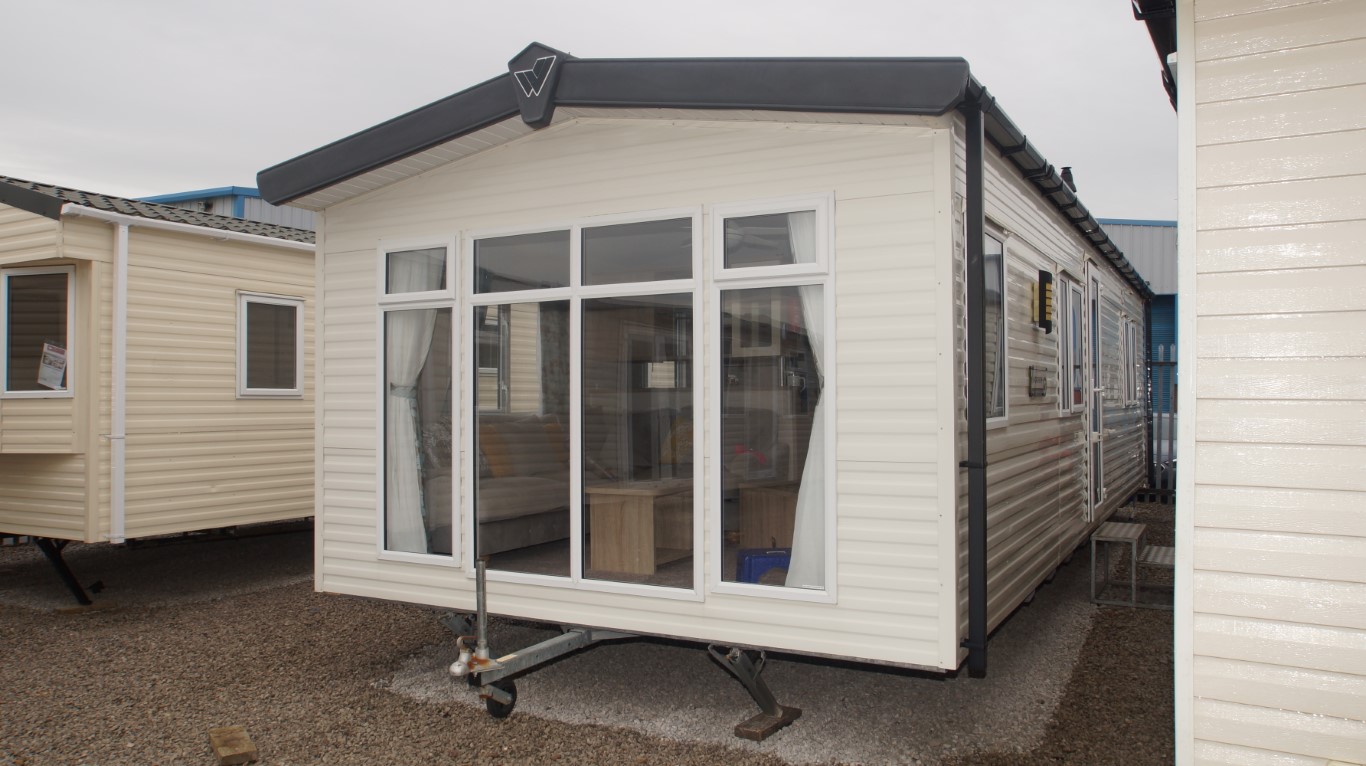
When you are considering housing staff on private land, static caravans should be top of your list. These can offer a practical, flexible, and cost-effective solution, and are particularly well suited to seasonal industries such as agriculture, hospitality, and construction. With a static caravan, workers can be accommodated close to their place of employment, in comfort, improving efficiency and wellbeing. But what are the important considerations when housing staff on private land with static caravans? And how can you achieve this safely, effectively, and legally?
Understanding planning permission
One of the first aspects you need to consider is whether planning permission is required. Placing static caravans on private land for residential use, including staff accommodation, will often require approval from your local planning authority.
The classification of a static caravan can vary depending on how it is used. While caravans can sometimes be sited without full planning permission for limited or temporary purposes, using them as ongoing living accommodation typically changes their status. As such, you may need to apply for permission that covers both the siting of the caravans and their intended use.
It is advisable to consult your local council at an early stage. By doing so, you can clarify what is permitted on your land and avoid complications later. In many cases, councils are supportive of well-managed accommodation for workers, particularly where there is a clear operational need.
Compliance with licensing and regulations
In addition to planning permission, you may also need to consider site licensing requirements. If you are operating multiple caravans on the same land, your site could fall under regulations similar to those that apply to caravan parks.
Licensing ensures that accommodation meets appropriate standards for safety, spacing, and facilities. This can include requirements relating to fire safety, access routes, waste disposal, and the provision of utilities. While this may sound complex, these regulations are designed to protect both you and your staff, helping to create a safe and well-organised environment.
Working with experienced suppliers and installers can make this process more straightforward. They can often advise on layout, compliance, and best practice from the outset.
Providing suitable living conditions
When housing staff, it is important to ensure that the accommodation you provide is comfortable, safe, and fit for purpose. Modern static caravans are well equipped to meet these expectations, with features such as central heating, double glazing, fitted kitchens, and private bathroom facilities.
You should consider how many occupants each caravan will house and ensure there is sufficient space for everyone. Overcrowding can lead to discomfort and may also raise compliance issues. Providing adequate storage, cooking facilities, and communal areas where appropriate can significantly improve the overall living experience.
By investing in quality accommodation, you demonstrate a commitment to staff welfare, which can have a positive impact on morale and retention.
Utility connections and infrastructure
Another key consideration is how your caravans will be serviced. You will need to arrange connections for electricity, water, and waste disposal. Depending on your location, this may involve linking to existing mains services or installing alternative systems such as generators or septic tanks.
Access is also important. Staff should be able to reach the accommodation safely and conveniently, particularly if they are working early or late shifts. Well-maintained pathways, adequate lighting, and clear signage all contribute to a safer and more user-friendly environment.
Planning your infrastructure carefully from the outset can prevent disruption later and ensure your site operates smoothly.
Health and safety responsibilities
As an employer providing accommodation, you have a duty of care towards your staff. This includes ensuring that the caravans are regularly maintained and that all relevant safety checks are carried out.
You will need to ensure that gas and electrical systems are inspected by qualified professionals, and that appropriate fire safety measures are in place. This may include smoke alarms, fire extinguishers, and clearly marked escape routes.
Regular inspections and prompt maintenance help to keep the accommodation in good condition and reduce the risk of issues arising. Keeping clear records of these checks can also support compliance with legal requirements.
What are the benefits of on-site accommodation?
Despite the considerations involved, using static caravans to house staff offers clear advantages. Providing accommodation close to the workplace can reduce travel time, improve punctuality, and make roles more attractive to prospective employees.
For staff, living on or near the site can offer convenience and a sense of community, particularly in rural locations where alternative housing options may be limited. For you, it can create a more reliable and engaged workforce.
Static caravans are also adaptable. This means that as your staffing needs change, you can adjust the number of units or reconfigure your site to suit your requirements.
Housing staff on private land with static caravans
When approached thoughtfully, housing staff on private land with static caravans can be both compliant and highly effective. By taking the time to understand planning requirements, meet regulatory standards, and provide comfortable living conditions, you can create accommodation that supports your business and enhances the experience of your staff.
If you’re looking to purchase a static caravan in great condition and at an affordable price, why not take a look at what we can offer here at West Lancs Caravans?